
Why the character of your street is worth protecting
While the value of living in a heritage street goes well beyond the sale price, properties in established character home areas across Sydney consistently command a premium — but there's more to it than that.
The authenticity, the sense of permanence, the connection to history — these are things that can't be manufactured.
I want to talk about something that doesn't come out clearly in planning documents — why the heritage street you live in is genuinely worth looking after.
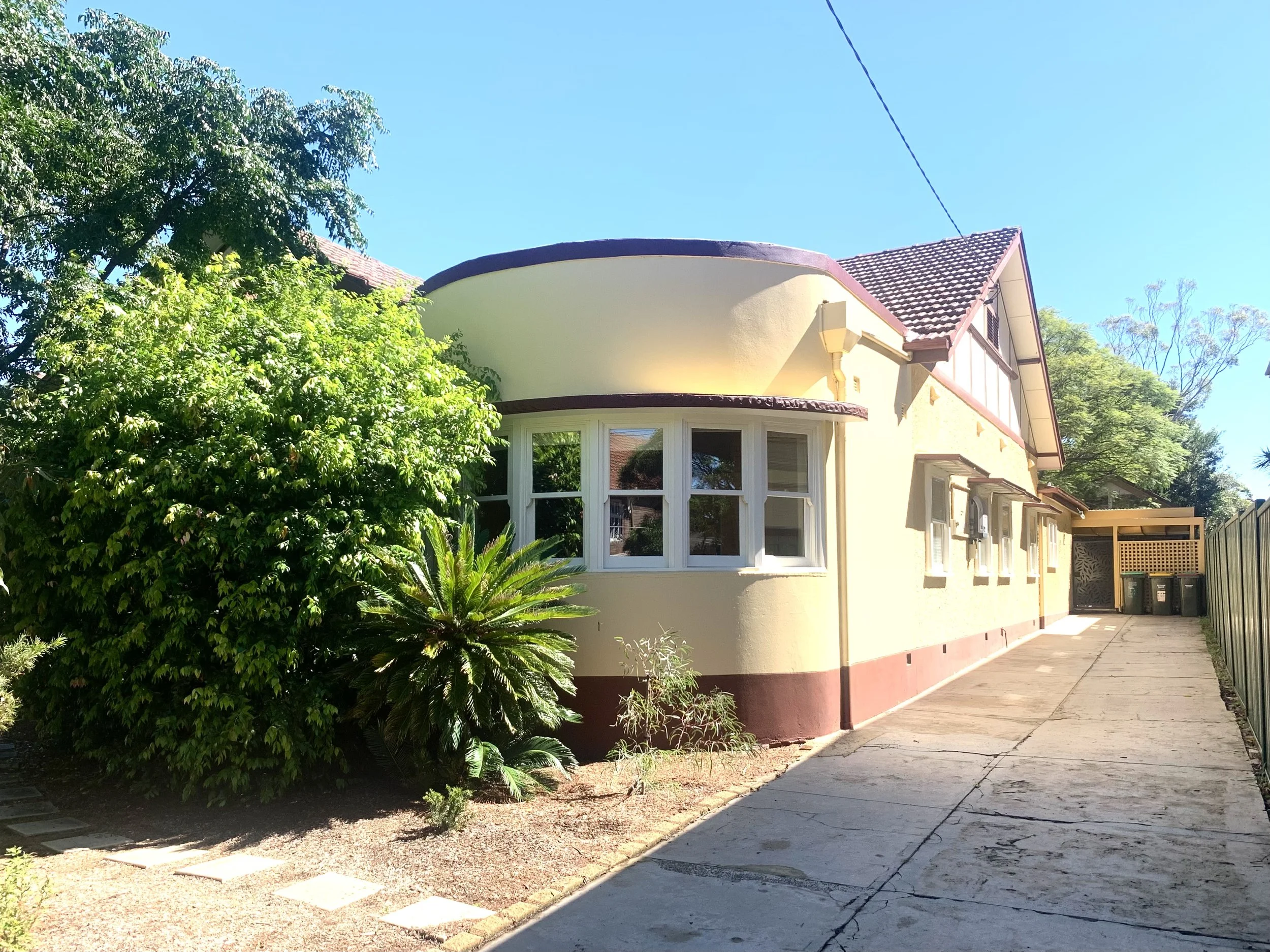
The financial case is real and consistent. Properties in established character home areas across Sydney consistently outperform comparable properties in non-heritage areas.
Buyers pay a premium for authenticity — for the original joinery, the high ceilings, the tessellated path, the double brick that's been standing for a hundred and twenty years and shows every sign of standing for another hundred and twenty. These things can't be efficiently replicated, and the market reflects that.
But there's something beyond the numbers.
Heritage streets carry a status and a desirability that's qualitatively different from what newer areas can offer. The scale of the buildings, the maturity of the gardens, the established rhythm of the streetscape — there's a sense of permanence there that people respond to. People want to live in places that feel like they mean something. Heritage streets feel like they mean something, because they do.
And then there's the historical dimension. Your home was built by someone — a family with a story, working with the materials and skills of their time. Every decision they made is still there in the building fabric. Living in a heritage home is a form of custodianship. You're the current occupant of something that has already outlasted several generations, and if you look after it, it will outlast several more. That relationship with time is genuinely rare. A new house can't offer it.
Yes, there are real costs. Original joinery needs specialist trades. Heritage render isn't the same as a modern acrylic coat. But the investment in proper maintenance is an investment in the very thing that generates the premium, the desirability, and that sense of connection. It's not money without return.